October 27, 2026
Executing heavy lifts across residential construction sites, commercial developments, industrial facilities, and infrastructure projects demands meticulous spatial planning, rigorous engineering analysis, and unwavering adherence to strict safety protocols. Hoisting massive structural steel beams, heavy HVAC rooftop units, prefabricated concrete trusses, or large industrial machinery involves far more than simply positioning a crane and attaching rigging straps. Every successful lift represents a complex engineering operation governed by physics, ground bearing capacities, load charts, wind dynamics, and precise rigging geometry. A single oversight in site evaluation, weight estimation, or rigging configuration can lead to catastrophic equipment failure, costly structural damage, or severe workplace injuries.
Partnering with a certified, experienced heavy lifting provider transforms an intimidating logistical challenge into a streamlined, highly controlled execution process. Professional hoisting operators work closely with project managers, structural engineers, and site superintendents to conduct comprehensive pre-lift risk assessments, analyze load pathways, calculate safe working radii, and secure necessary municipal permits. Exploring the essential phases of planning a safe, efficient lift reveals how site evaluations, rigging selection, equipment choices, market insights, communication protocols, and safety compliance combine to guarantee project success and complete jobsite peace of mind.
Conducting Comprehensive Site Evaluations and Analyzing Ground Conditions
Conducting a thorough site evaluation stands as the foundational first step in preparing for any heavy lifting operation. Long before heavy equipment arrives on location, lift directors must inspect the physical environment, evaluate ground soil stability, identify underground utility lines, and map out overhead obstacles like power lines, tree canopies, or adjacent structures. Establishing a safe, stable setup zone ensures that hoisting machinery remains completely level and anchored throughout the entire lifting sequence.
Furthermore, analyzing ground bearing capacity prevents dangerous equipment tipping or ground subsidence while swinging heavy loads. Soft soil, uncompacted fill dirt, or hidden underground vaults can collapse under the massive outrigger pressure exerted by a fully loaded crane. Professional rigging teams deploy heavy-duty outrigger pads, steel crane mats, and timber cribbing to distribute heavy point loads over a broader surface area. Engaging certified providers of local crane services guarantees that certified rigging engineers evaluate site soil conditions meticulously, establishing an unyielding physical foundation for all hoisting maneuvers.
Calculating Exact Load Weights and Verifying Equipment Capacity Charts
Calculating precise load weights and reviewing manufacturer capacity charts eliminates dangerous guesswork from heavy hoisting operations. Attempting to lift an object without knowing its exact weight, center of gravity, and rigging attachment points invites severe structural overload. Project planners must account for the gross weight of the payload itself plus the deduction weight of all rigging gear, hook blocks, spreader bars, and extended jib sections when determining total lift weight.
Once total load weight is established, lift planners consult detailed crane capacity load charts to select appropriate equipment configurations. Load charts define safe lifting capacities based on boom length, boom angle, operating radius, and counterweight mass. Operating a crane beyond its rated chart capacity risks structural boom failure or total machine tipping. Contracting qualified specialists for local crane services ensures that load weights are calculated accurately and matched against certified equipment capacity charts, guaranteeing that every lift operates comfortably within safe mechanical limits.
Selecting Appropriate Mobile Cranes and Matching Equipment to Jobsite Constraints
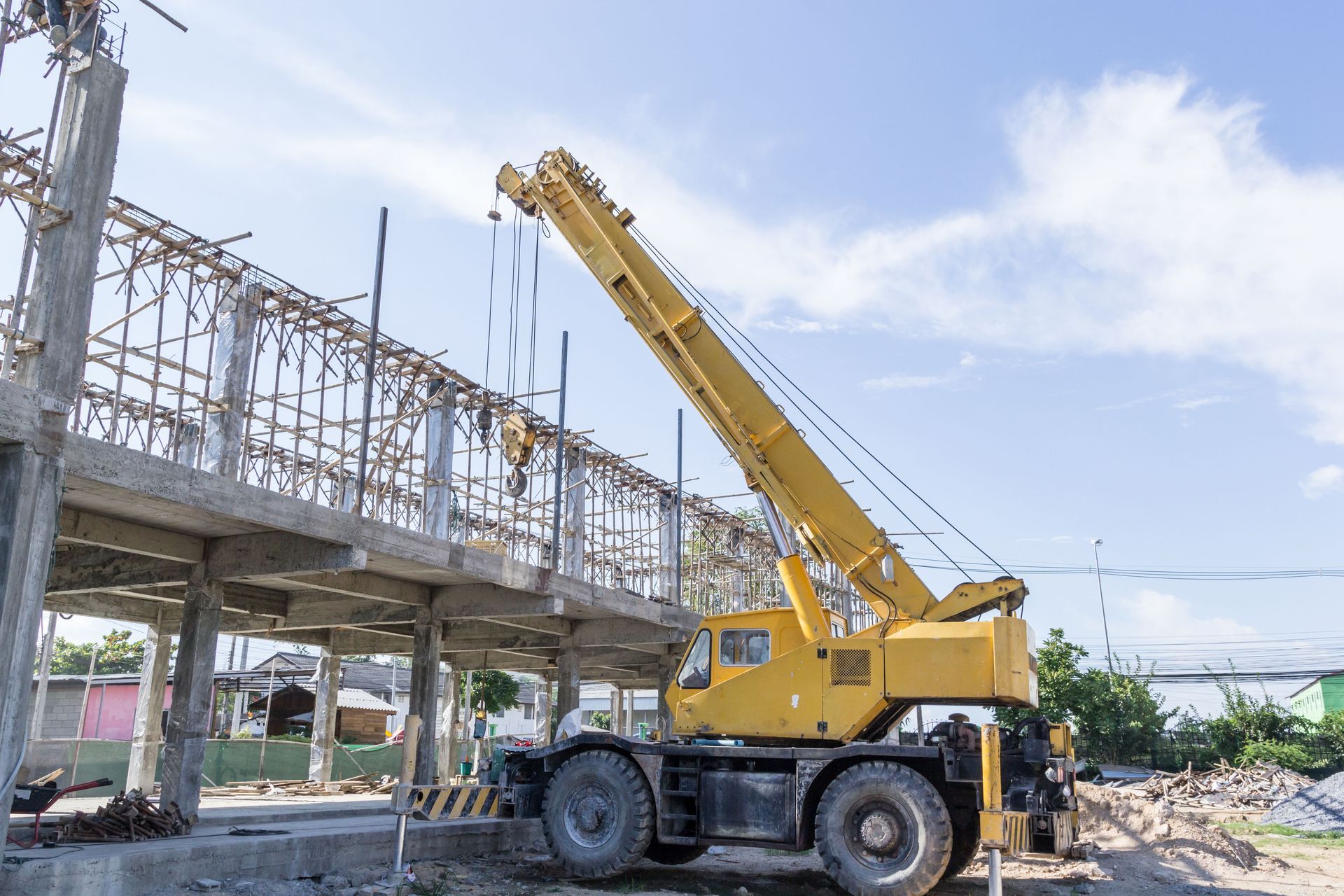
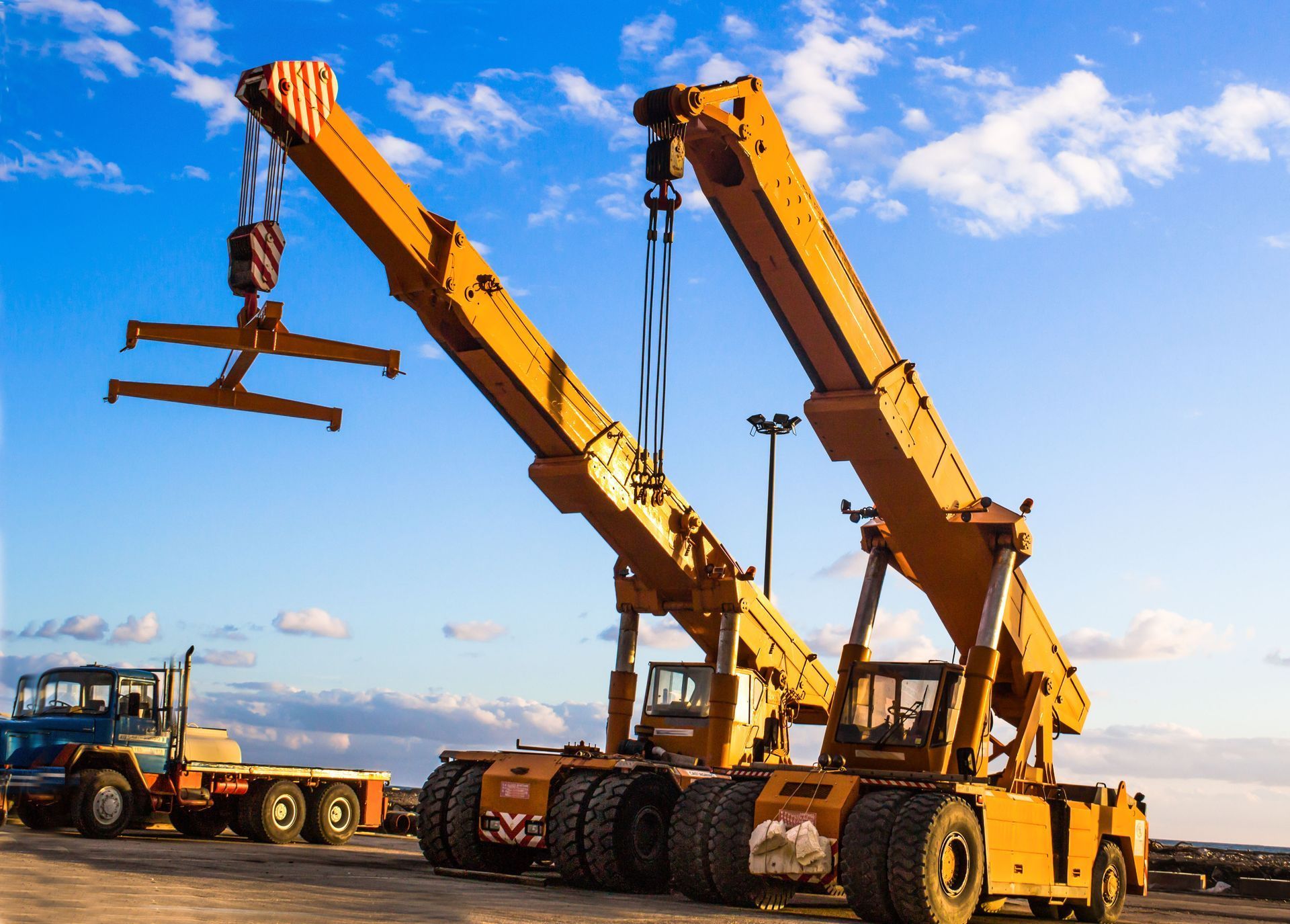
Selecting the optimal crane type and size for a specific jobsite balances lifting power with physical maneuverability and spatial access constraints. Heavy lifting equipment ranges from compact carry-deck cranes and rough-terrain rigs to massive lattice-boom crawlers and versatile hydraulic mobile cranes. Choosing a crane that is too large causes unnecessary rental expenses and spatial congestion, while selecting a machine that is too small compromises operational safety.
Industry market data underscores the widespread preference for versatile, maneuverable lifting equipment across American construction sites. According to Future Market Insights, low- to medium-capacity mobile cranes (10 to 100 tons) are the most widely used in the US crane rental market because they are versatile, mobile, and can operate in tight urban spaces. Utilizing experienced providers of local crane services connects project managers with diverse, modern equipment fleets, ensuring that the ideal mobile crane configuration is deployed to navigate tight spatial quarters safely and efficiently.
Designing Custom Rigging Plans and Inspecting Hardware Mechanics
Designing custom rigging configurations and inspecting all lifting hardware protects both the payload and jobsite personnel from catastrophic rigging failure. Rigging serves as the critical mechanical connection between the crane's hook block and the load itself. Rigging specialists evaluate payload shape, structural attachment points, and center of gravity to select appropriate synthetic web slings, wire rope chokers, alloy steel chains, shackles, and spreader beams.
Using incorrect sling angles or uninspected hardware can drastically reduce rigging capacity, leading to snapped straps or slipping loads mid-air. Rigging crews conduct rigorous pre-lift inspections on every shackle, hook, and sling, searching for signs of heat damage, wire fraying, stretch deformation, or chemical wear. Partnering with certified providers of local crane services ensures that custom rigging configurations are engineered by certified riggers who utilize pristine, fully rated lifting hardware tailored specifically to your payload's dimensions.
Signal personnel utilize standardized hand signals or dedicated, hands-free radio frequencies to communicate precise directional instructions to the operator without interruption. Simultaneously, ground crews set up perimeter barricades, warning tape, and safety cones around the swing radius and load path to prevent unauthorized site entry. Enlisting professional local crane services guarantees that trained signal persons and vigilant ground safety spotters coordinate every phase of the lift, maintaining total control over the hoisting environment from pickup to final placement.
Planning and executing a successful heavy lift requires a seamless combination of engineering precision, rigorous site evaluations, exact load calculations, proper equipment selection, custom rigging design, and uncompromising safety standards.
Attempting to bypass professional planning protocols or utilizing uncertified hoisting equipment introduces unacceptable physical risks, potential structural damage, and severe legal liabilities. Certified lifting specialists bring the technical expertise, modern mobile crane fleets, specialized rigging hardware, and licensed personnel necessary to manage complex hoisting challenges in congested urban centers or tight residential quarters. By delegating your heavy lifting operations to experienced professionals, you protect your jobsite crew, preserve valuable equipment assets, and keep project schedules running smoothly. Investing in professional lift planning converts complex logistical tasks into predictable, safe, and efficient operations. When preparing for an upcoming structural installation, HVAC placement, or heavy equipment move, collaborating with trusted local hoisting specialists guarantees master technical execution, complete regulatory compliance, and total peace of mind.
At Gator Crane Service of Tampa Bay, we are deeply committed to elevating your jobsite efficiency, executing complex lifting operations safely, and delivering superior heavy hoisting solutions through master technical skill, modern equipment fleets, and dedicated customer care. Our team of certified crane operators and master riggers brings extensive engineering expertise, advanced hydraulic mobile cranes, specialized rigging hardware, and meticulous attention to detail to every rooftop HVAC placement, structural steel erection, prefabricated truss installation, machinery move, and professional local crane services project we execute across our community. We take immense pride in evaluating your unique jobsite topography, analyzing ground-bearing capacities, calculating precise load radii, and serving as your trusted hoisting partner to bring total operational security, structural safety, and project success to your jobsite. Furthermore, our business prioritizes clear communication, transparent project estimates, clean safety records, and exceptional service performance from initial site inspection through final load placement. We carefully examine every outrigger pad, rigging shackle, load chart limit, and weather reading to guarantee maximum operational safety, regulatory compliance, and complete project manager satisfaction. Contact us today to schedule your comprehensive lift consultation and discover the true value of working with dedicated local crane specialists.